BuildYourCNC
ARM Microcontroller Intermediate Kit (STM32F0)
ARM Microcontroller Intermediate Kit (STM32F0)
Couldn't load pickup availability
Affiliate Links
Description: ARM Microcontrollers: Programming and Circuit Building Volume 1
Price: $39.00 USD
See ProductWant the full ARM development experience?
The ARM Advanced Kit (STM32F0) includes everything you need for serious STM32 development — OLED display, 20x4 character LCD, ADXL345 accelerometer, ultrasonic range finder, FTDI USB-to-serial converter, and the complete passive component set for circuits using PWM, UART, SPI, and I2C. Most builders upgrade to it within weeks anyway. Save by starting with the kit that has everything.
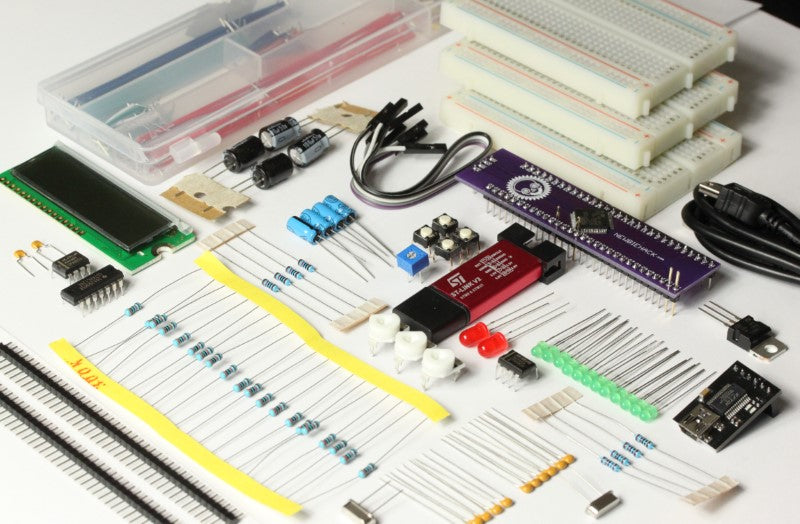
The middle-tier STM32 ARM development kit — for builders who've moved past blinking LEDs and want to start using the chip's real peripherals. PWM motor control, UART serial communication, SPI and I2C sensor interfaces, hardware timers, voltage regulation, and crystal-based clock sources — everything you need to start designing circuits that use the STM32F0 feature set the way it was meant to be used.
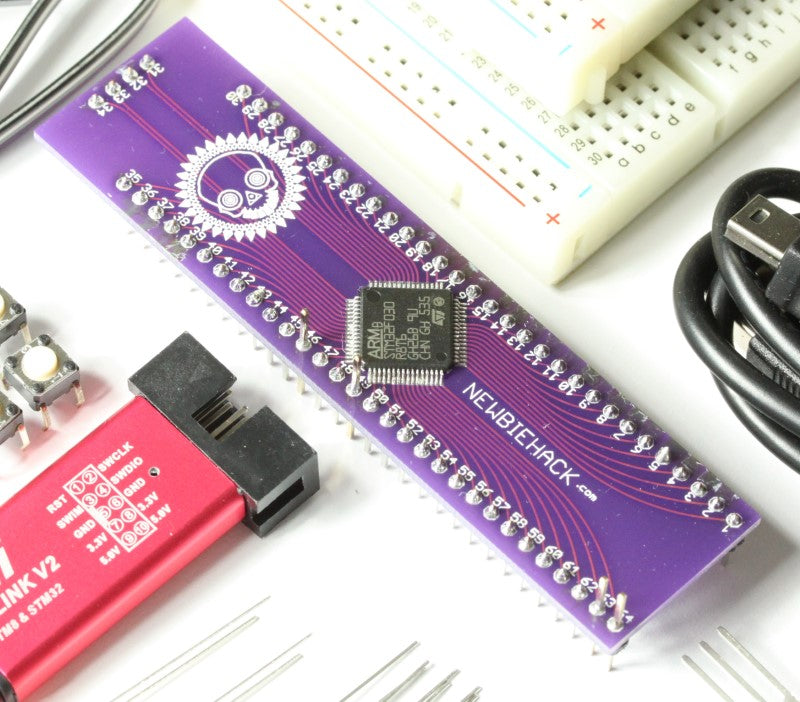
This kit includes the STM32F030 microcontroller mounted on a breakout board, configured to span three breadboards. Every pin gets nine separate tie-point connections (four on one strip, five on the other) — significantly more wiring room than a standard dev board provides.
Who this kit is for
- Builders who've completed the basics (blinking LEDs, push buttons) and want to start using STM32 peripherals
- Engineers and hobbyists ready to learn UART, SPI, I2C, PWM, ADC, and hardware timers
- Self-taught learners working through the embedded peripheral tutorials on NewbieHack
- Students who need power regulation, serial communication, and a display for class projects
Some prior experience with the STM32 — even just the Beginners Kit level — is recommended. If you're brand new to ARM development, start there first.
What's included
Microcontroller and programmer:
- STM32F030 microcontroller mounted on a breakout board
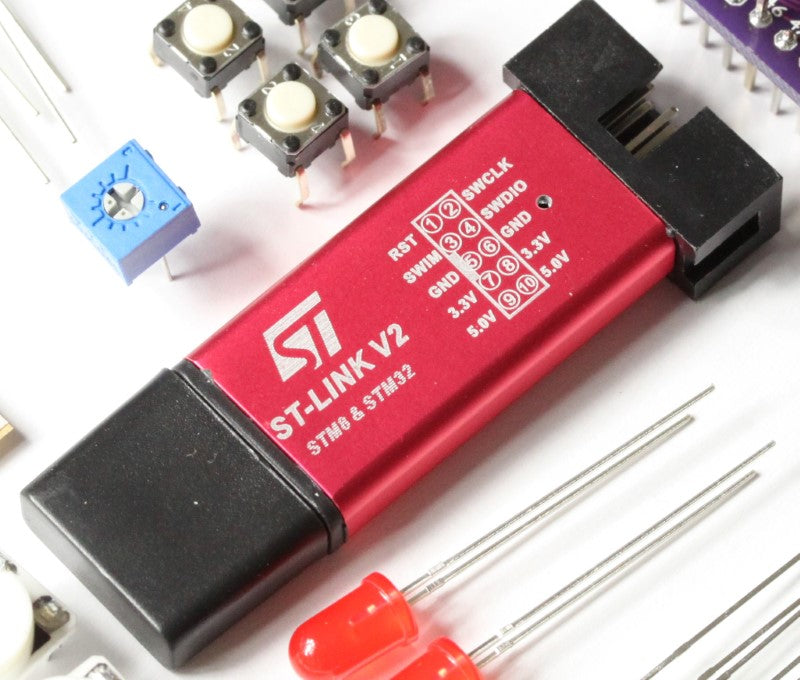
- ST-Link V2 programmer
- Connection cable for the ST-Link V2
Prototyping platform:
- (3) Solderless breadboards (configured for 9-tie-point pin access)
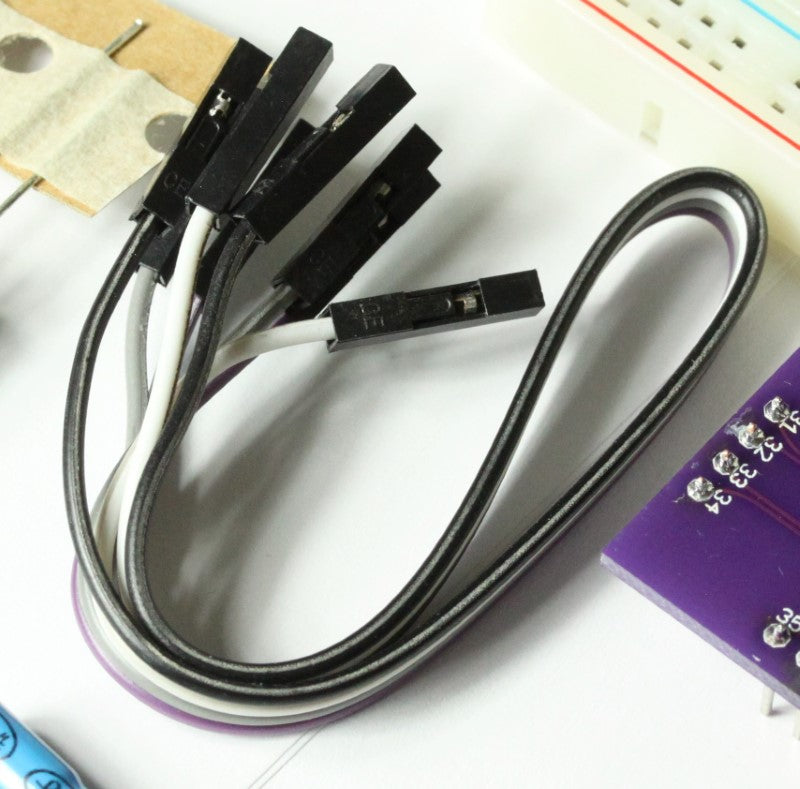
- Solid-core jumper wire set — 140 total hookup wires in assorted lengths and colors
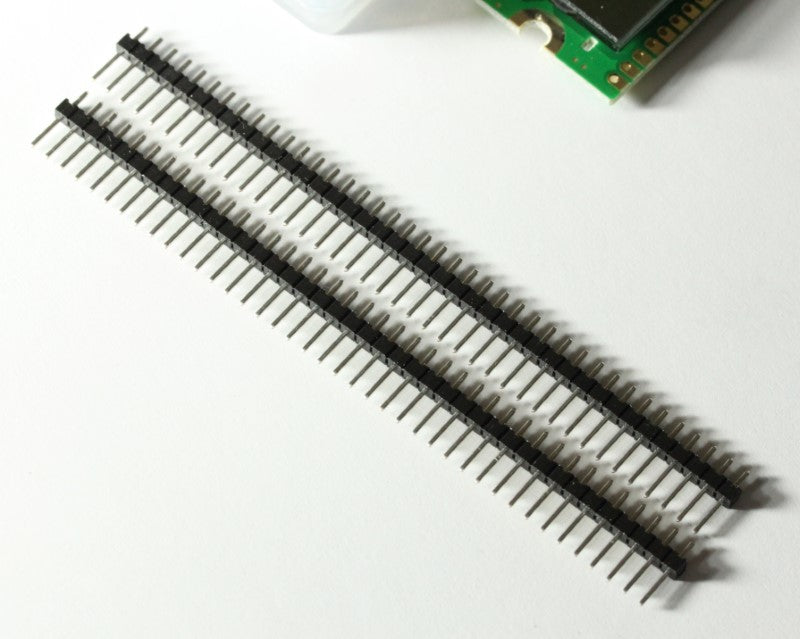
- (1) 40-pin male header strip
Display:
- 128x64 OLED display
Serial communication:
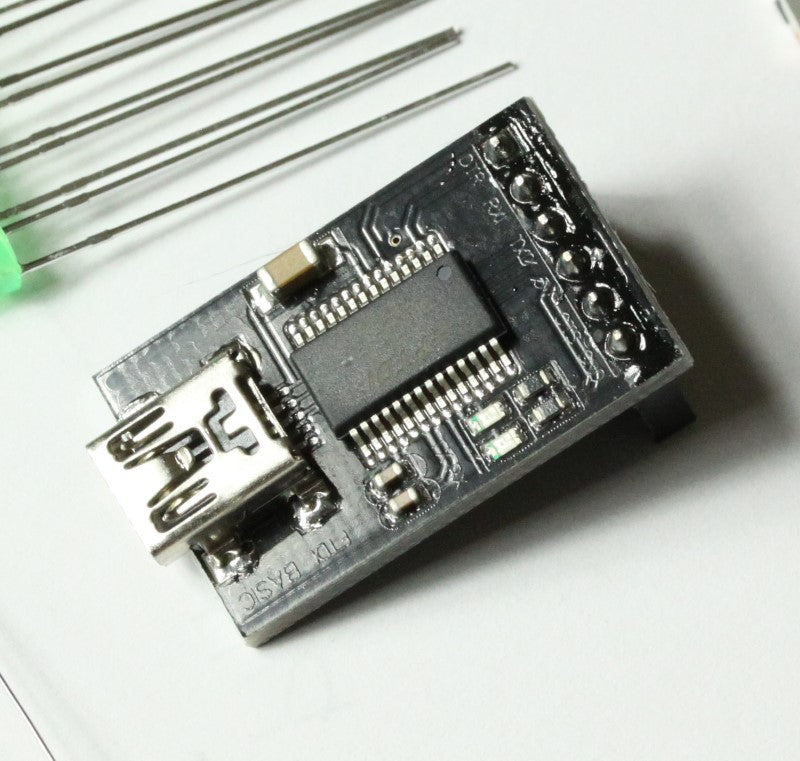
- FTDI USB-to-Serial converter (ideal for USART development and debugging)
Power and timing:
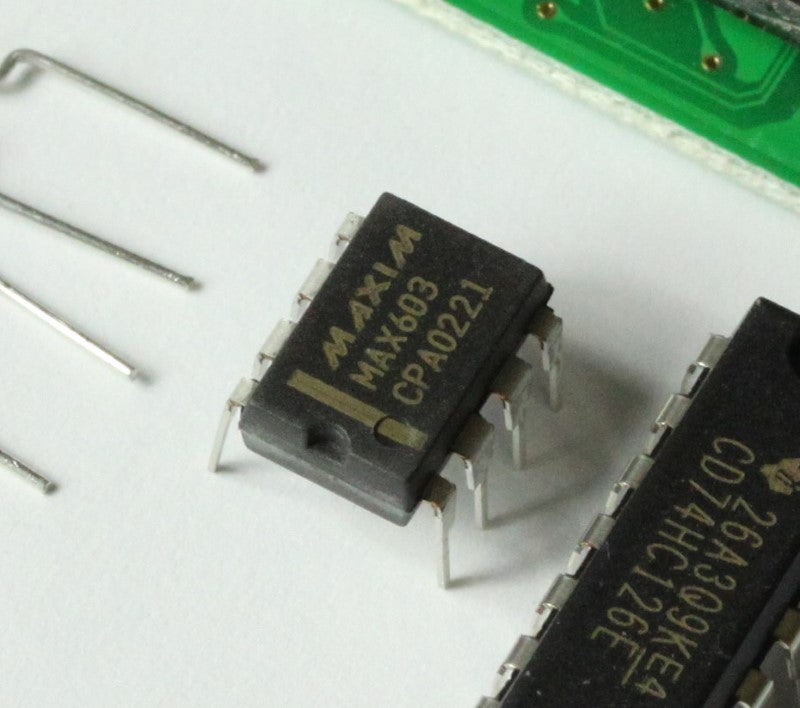
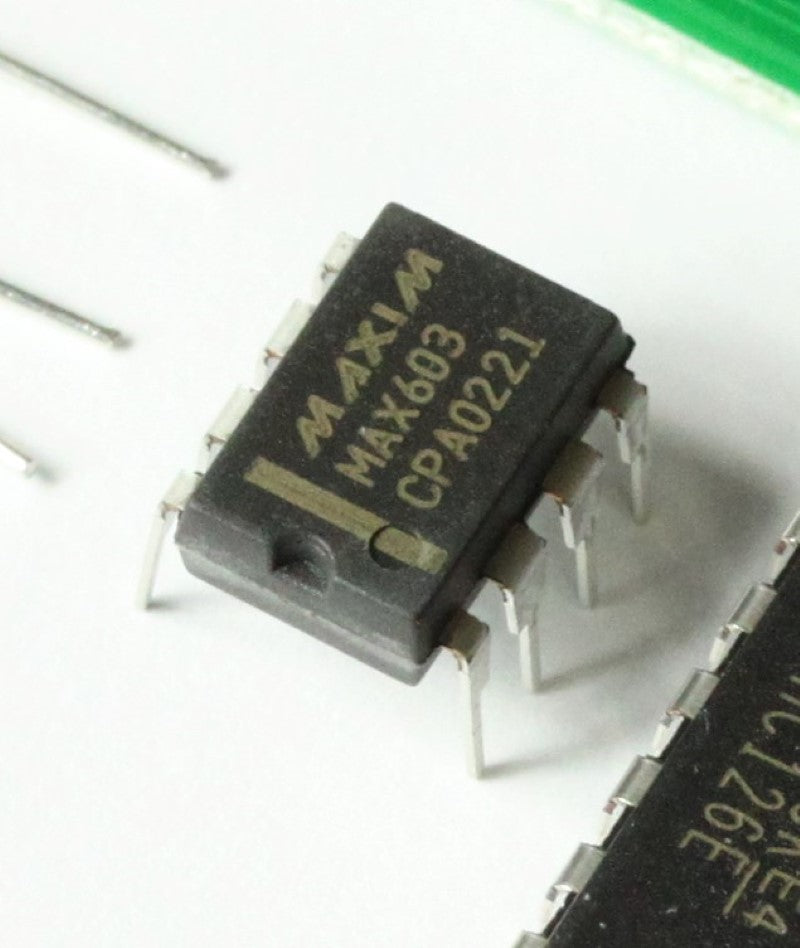
- 5V low-dropout regulator (MAX603)
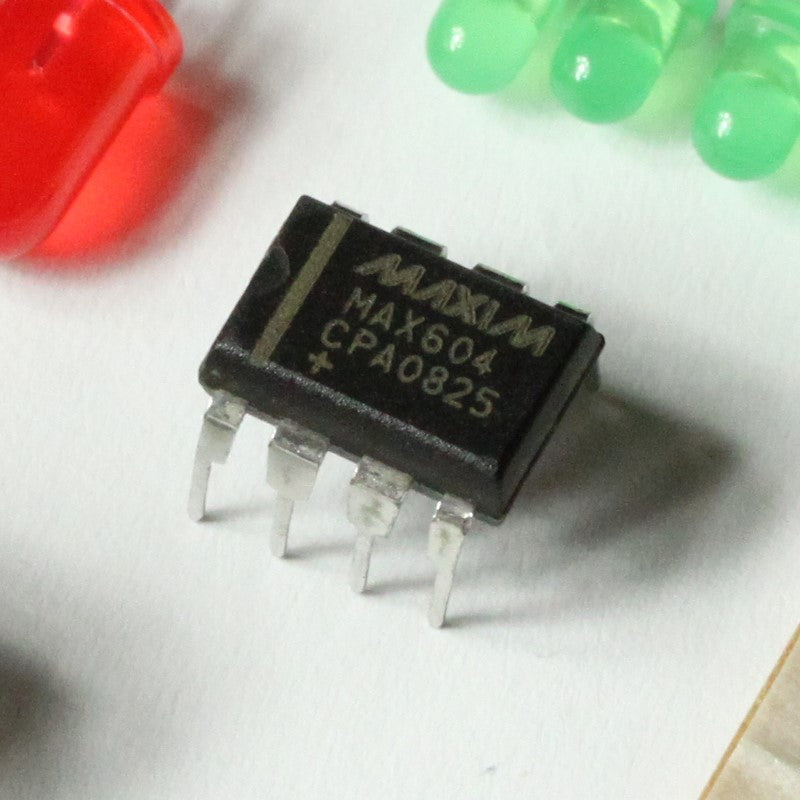
- 3V low-dropout regulator (MAX604)
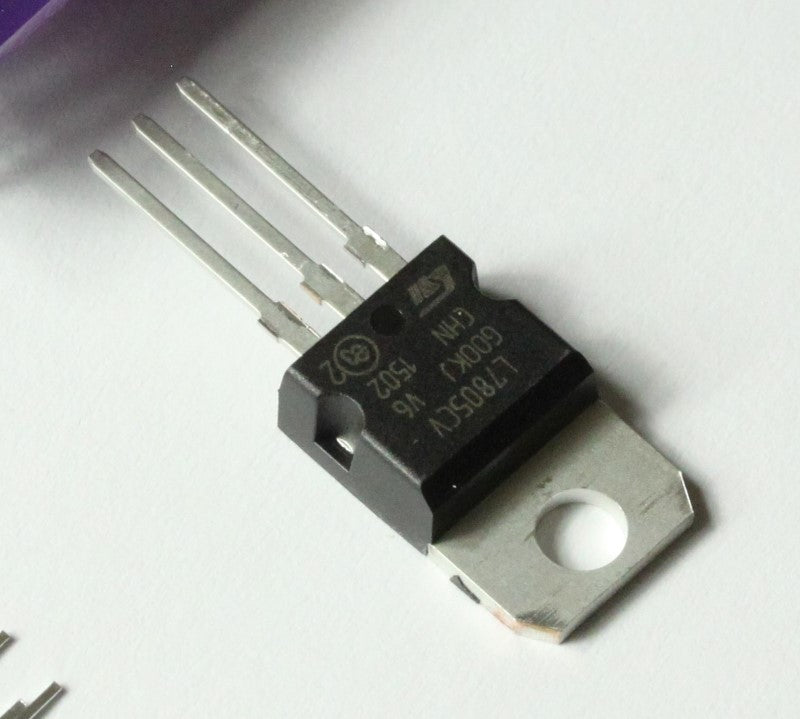
- 5V 1.5A voltage regulator
- 16 MHz crystal
- 18.432 MHz crystal
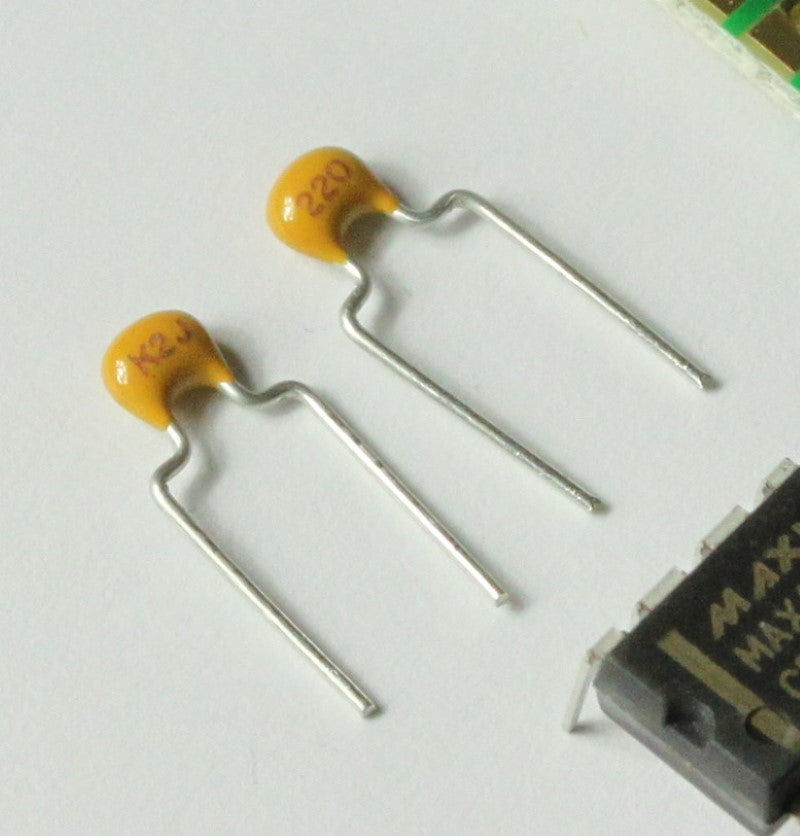
- (2) 22pF 200V capacitors (for use with the crystals)
Logic and control:
- Quad buffer line driver
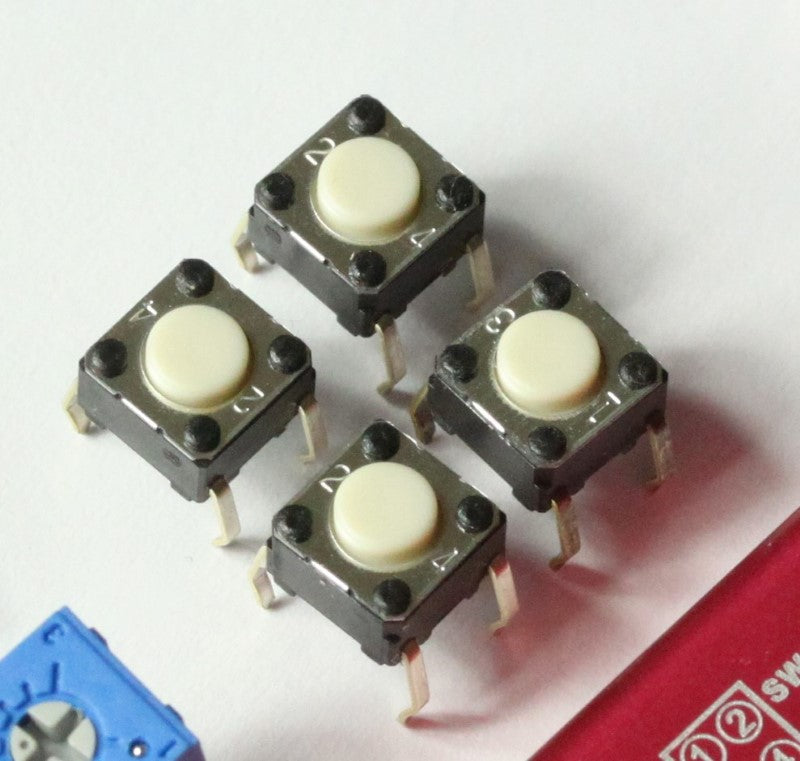
- (4) Push buttons
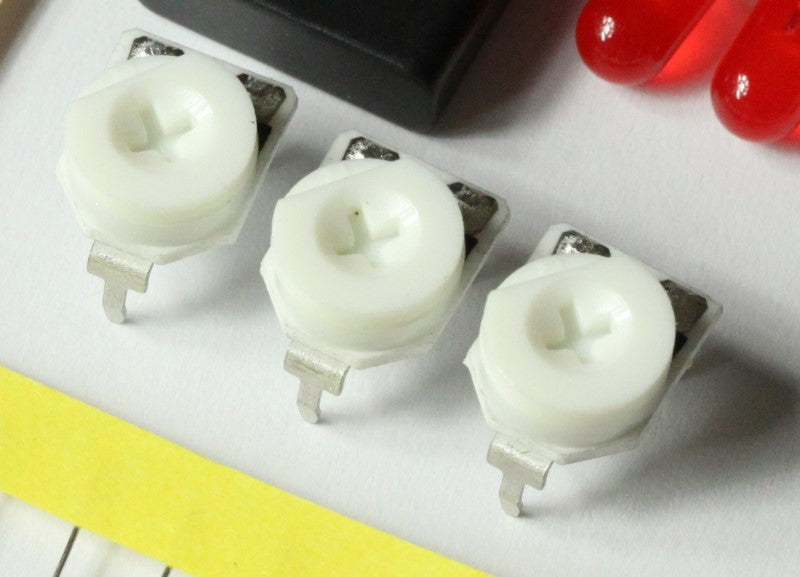
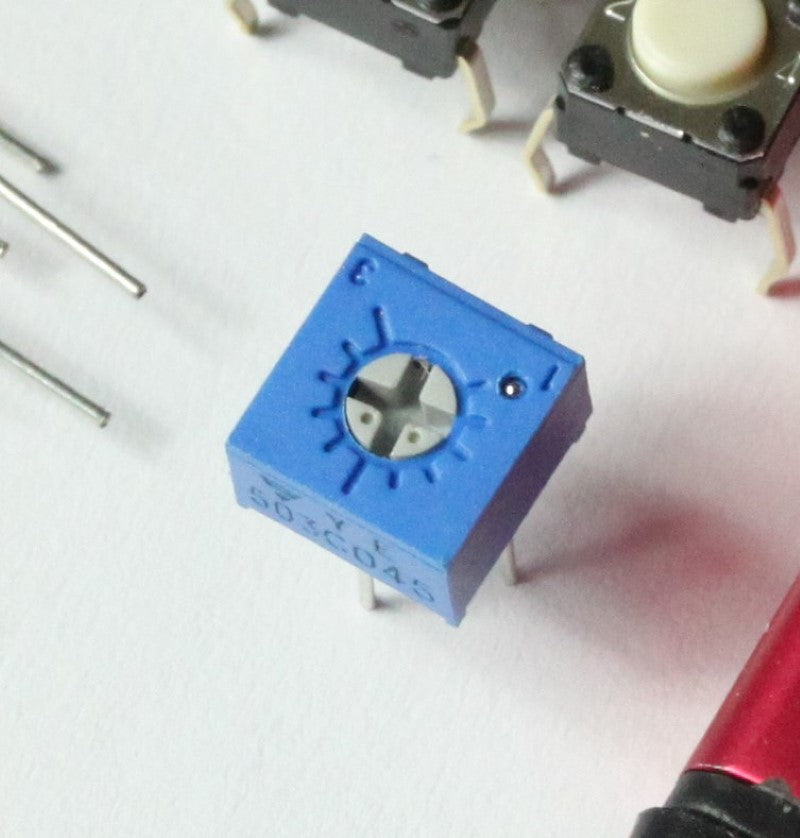
- (3) 10kΩ trimmer potentiometers
- (1) 50kΩ potentiometer
LEDs:
- (12) Green LEDs
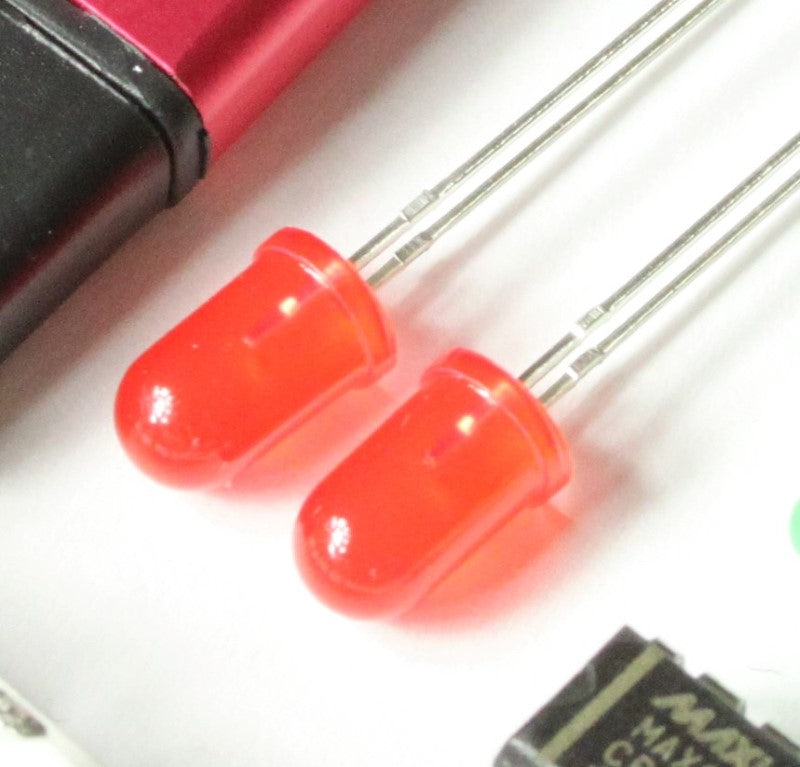
- (2) Red LEDs
Resistors:
- (4) 1kΩ
- (4) 4.7kΩ
- (20) 330Ω
Capacitors:
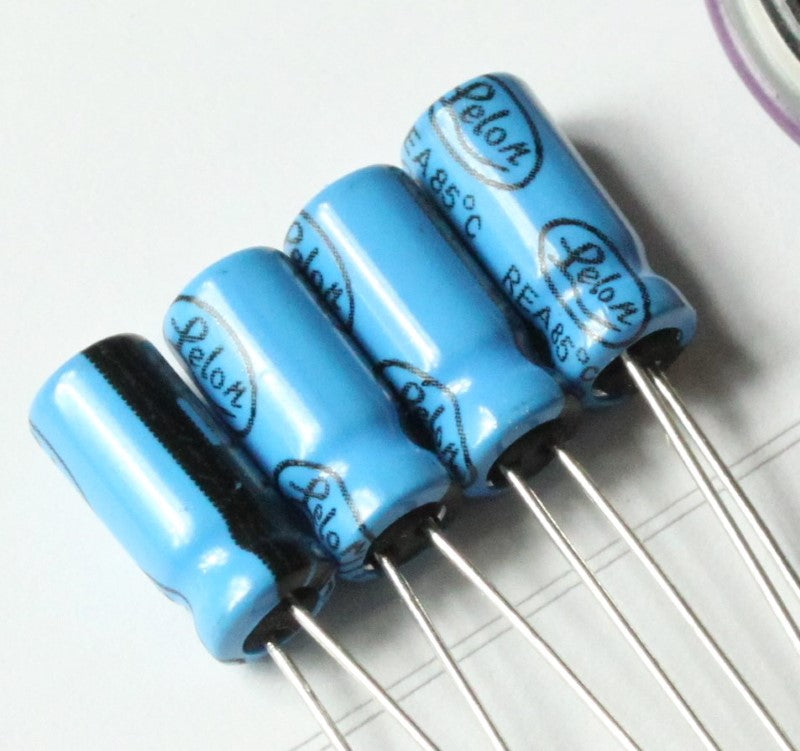
- (4) 10µF electrolytic
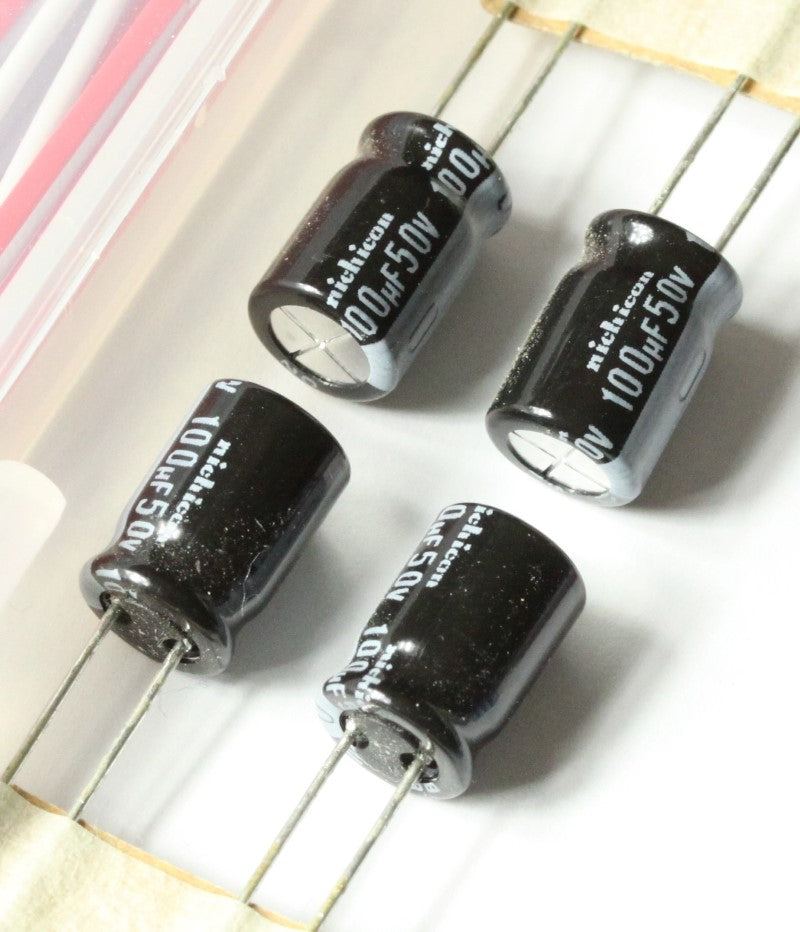
- (4) 100µF electrolytic
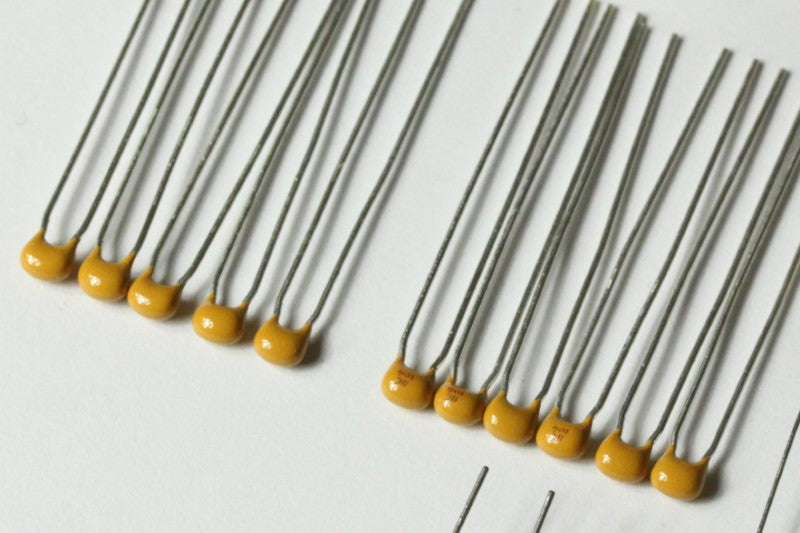
- (11) 100nF / 0.1µF ceramic
What this kit does NOT include
This kit covers the core peripherals but does not include the full sensor suite. If you want an accelerometer, ultrasonic range finder, or character LCD, see the Advanced Kit.
What you'll need to supply
- A computer (Windows, Mac, or Linux) for programming the STM32
- STM32CubeIDE or your preferred ARM toolchain (free, downloaded from STMicroelectronics)
- USB cable for the ST-Link V2 (some computers may require a USB-A to USB-Micro adapter)
- You'll need a soldering iron and solder; the breakout board headers ship unsoldered.
Free YouTube tutorials
Patrick Hood-Daniel — the designer of this kit and author of ARM Microcontrollers: Programming and Circuit Building, Volume 1 — has a full library of free STM32 tutorials on YouTube using the exact components in this kit. Watch the lessons, follow along with your hardware, and learn from the same person who built the kit you're holding. Subscribe to the channel here.
Free tutorial library
Hundreds of free STM32 tutorials, code examples, and project walkthroughs are also available on our companion site, NewbieHack.com. Topics include UART/SPI/I2C, PWM, hardware timers, ADC, low-power modes, and driving stepper motors directly from the STM32 — exactly the peripherals this kit was built for.
Free customer support included
Every kit purchase includes free support on what you've purchased. Stuck on a circuit, getting your peripherals to talk, or debugging a UART setup? Reply to your order email and we'll help you get unstuck.
Frequently asked questions
Q: How is this kit different from the Beginners Kit?
The Beginners Kit contains the basics — chip, programmer, breadboards, LEDs, push buttons, and core resistors/capacitors. This Intermediate Kit adds an OLED display, voltage regulators, crystals, an FTDI USB-to-serial converter, potentiometers, and additional capacitors so you can start working with PWM, UART, SPI, I2C, and timer-based circuits.
Q: How is this kit different from the Advanced Kit?
The Advanced Kit includes everything in this kit plus an ADXL345 3-axis accelerometer, ultrasonic range finder, and 20x4 character LCD. If you know you'll want to work with sensors and a larger display, the price difference is usually less than buying those components separately later.
Q: What can I actually build with this kit?
PWM motor speed controllers, OLED data displays, serial debug consoles, voltage-regulated sensor circuits, timer-driven event loops, button-debounced inputs, simple oscillator-based projects, and any circuit that uses UART/SPI/I2C communication.
Q: What software do I need?
STM32CubeIDE is the official free IDE from STMicroelectronics and is what we use throughout our tutorials. Available on Windows, Mac, and Linux.
Q: Why STM32 instead of Arduino?
The STM32F030 runs at higher clock speeds, has more peripheral options, more flexible interrupt handling, true hardware timers, and a much richer ecosystem for professional embedded work. If you're planning a career in embedded systems or want to design more sophisticated circuits, ARM is where the industry has gone.
Q: Is the ST-Link V2 a clone or genuine?
We ship the standard ST-Link V2 programmer that's universally compatible with STM32CubeIDE and OpenOCD. It works identically to the genuine ST-branded unit for the use cases in our tutorials.
Share